How to Structure Your Christian Business for Long-Term Growth
Choosing the right legal structure is a stewardship decision, not a formality. A faith-driven founder's guide to LLCs, operating agreements, and long-term growth.

Most faith-driven founders spend more time naming their business than structuring it. That is a mistake with lasting consequences.
The legal entity you choose on day one shapes your tax exposure, your personal liability, your ability to bring on partners, and your credibility with vendors and lenders. For Christian entrepreneurs who build with eternity in mind, the short-term friction of getting this right is a fraction of the long-term cost of getting it wrong.
Recommended readLLC Beginner's Step-By-Step GuideCovington & WilliamsThe step-by-step resource for faith-driven founders forming their first LLC — state registration, operating agreements, and liability protection explained in plain language.
Get the guideThe LLC is the most common starting point, and for good reason. It separates personal assets from business assets, passes income through to personal tax returns in most states, and requires far less administrative overhead than a corporation. For a solo founder or a small faith-based team, it is usually the right structure to begin with.
The operating agreement is the document most founders skip and every founder eventually wishes they had.
The operating agreement is the document most founders skip and every founder eventually wishes they had. It defines how decisions are made, how profits are distributed, and what happens when a partner wants to exit. Draft it early, when everyone is aligned. It is much harder to write after a disagreement.
Once the entity is in place, open a dedicated business checking account and use it exclusively. Commingling personal and business funds is one of the fastest ways to lose the liability protection the entity was designed to create. It also makes bookkeeping, taxes, and investor due diligence unnecessarily painful.
Stewardship is not just about generosity. It is about structure. The founder who builds on a legal and operational foundation is positioned to give more, hire more, and last longer than the one who is always one audit away from a crisis.
More in Entrepreneurs
See all
Christianpreneur of the Month: Cody Cottle
The serial entrepreneur behind the Christian Entrepreneur Club is building more than businesses. He is building a community for believers who refuse to separate faith from ambition.
Naomi Brooks · 7 min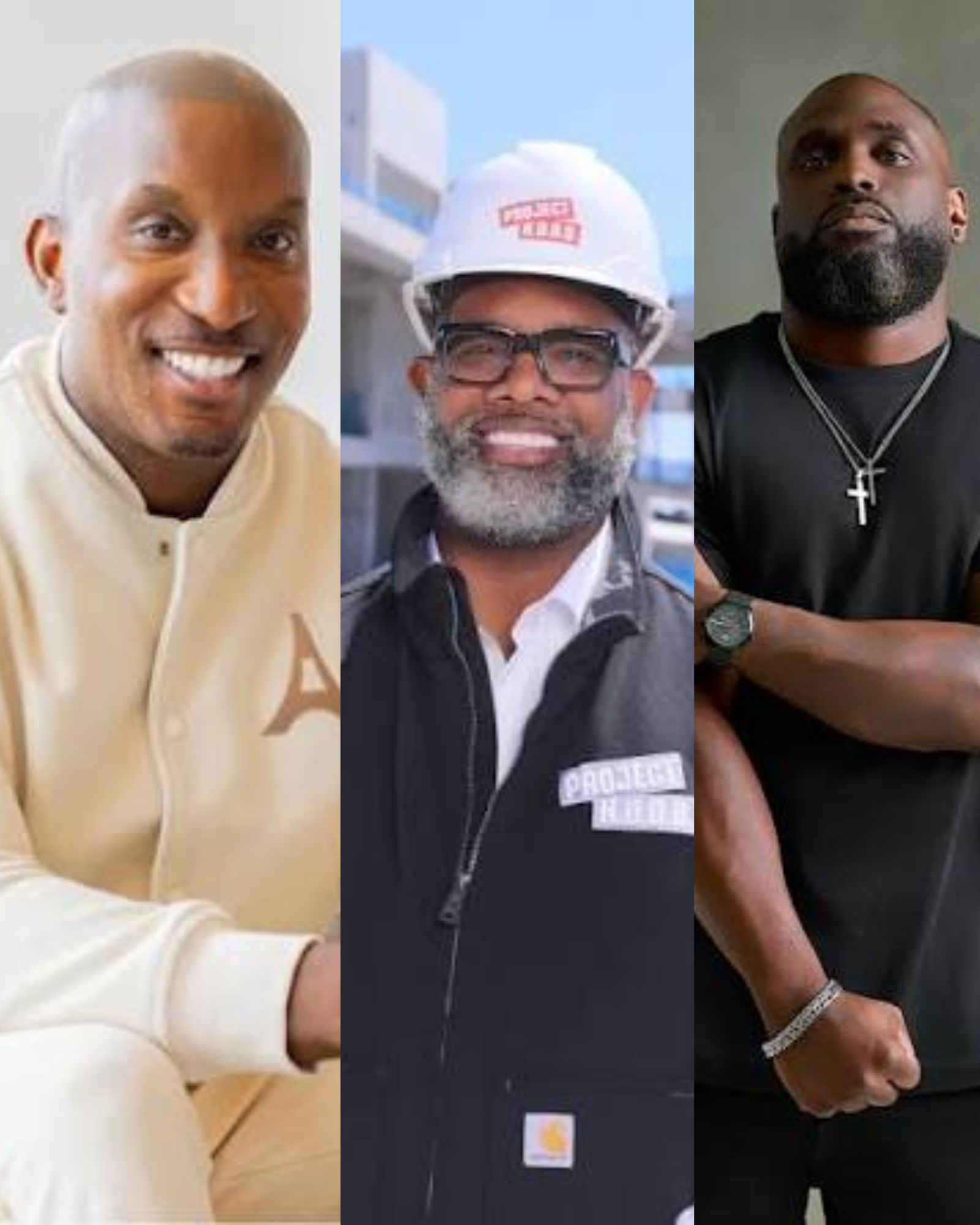
Three Church Leaders to Watch in 2026: Dharius Daniels, Corey Brooks and Philip Anthony Mitchell
Pastor Dharius Daniels, Pastor Corey Brooks and Philip Anthony Mitchell are leading in three very different ways, but each is forcing the church to think more seriously about transformation, community impact and discipleship.
Christianpreneur Staff · 14 min
Your Business Can Be Ministry Without Pretending It Is a Church.
Christian entrepreneurs do not have to choose between spiritual purpose and commercial success. They do, however, need the wisdom to integrate faith with strategy, profit, leadership, customer service, and measurable value.
Naomi Brooks · 14 min