The Year Of The Shift
Christian leaders are collapsing the old line between ministry and business. Why 2026 may be the year that frame breaks open for good.

There is a word circulating among a particular class of Christian entrepreneur right now. The word is shift. Not pivot, not rebrand, not restructure. Shift. It carries a theological weight the others do not.
What they mean, when you press them, is that the categories they built their businesses inside — ministry over here, commerce over there — are collapsing. Not because the lines were never real, but because they have become less useful. The most effective kingdom builders they know are not choosing between the two. They are refusing the choice entirely.
Recommended readThe Sun Will Shine AgainWylenna AustinEvery shift follows a season of darkness. This comprehensive guide to faith and resilience is essential reading for founders navigating the in-between.
View on AmazonThe evidence is accumulating. A pastor in Atlanta liquidated his church's underperforming bookstore and replaced it with a co-working space for faith-driven founders. Occupancy hit 85 percent in six months. The congregation's young professionals, who had been attending out of loyalty, started attending out of engagement.
What unites these stories is not a strategy but a posture.
A worship leader in Houston launched a production company that trains worship musicians from underserved backgrounds, signs them to non-exclusive deals, and places their work with churches that pay licensing fees. The company is two years old and already profitable. The founder calls it ministry. Her accountant calls it a media company. Both are correct.
What unites these stories is not a strategy but a posture. The leaders driving the shift have stopped waiting for permission to operate in multiple domains simultaneously. They have stopped apologizing for making money. They have stopped treating sustainability as a lesser goal than vision.
The Year of the Shift is not a trend. It is a theological correction. It is a generation of leaders recovering the full-orbed understanding of vocation that the church has sometimes lost — the conviction that work itself, done faithfully and excellently, is a form of worship.
What happens next depends on who leads. The shift will be led by builders who have learned to hold calling and craft in the same hand, who are as serious about their balance sheets as their sermon notes, and who measure success not by how much they have accumulated but by how much they have multiplied.
Christianpreneur Magazine may earn a commission from qualifying purchases made through Amazon affiliate links at no additional cost to the reader.
More in Entrepreneurs
See all
Christianpreneur of the Month: Cody Cottle
The serial entrepreneur behind the Christian Entrepreneur Club is building more than businesses. He is building a community for believers who refuse to separate faith from ambition.
Naomi Brooks · 7 min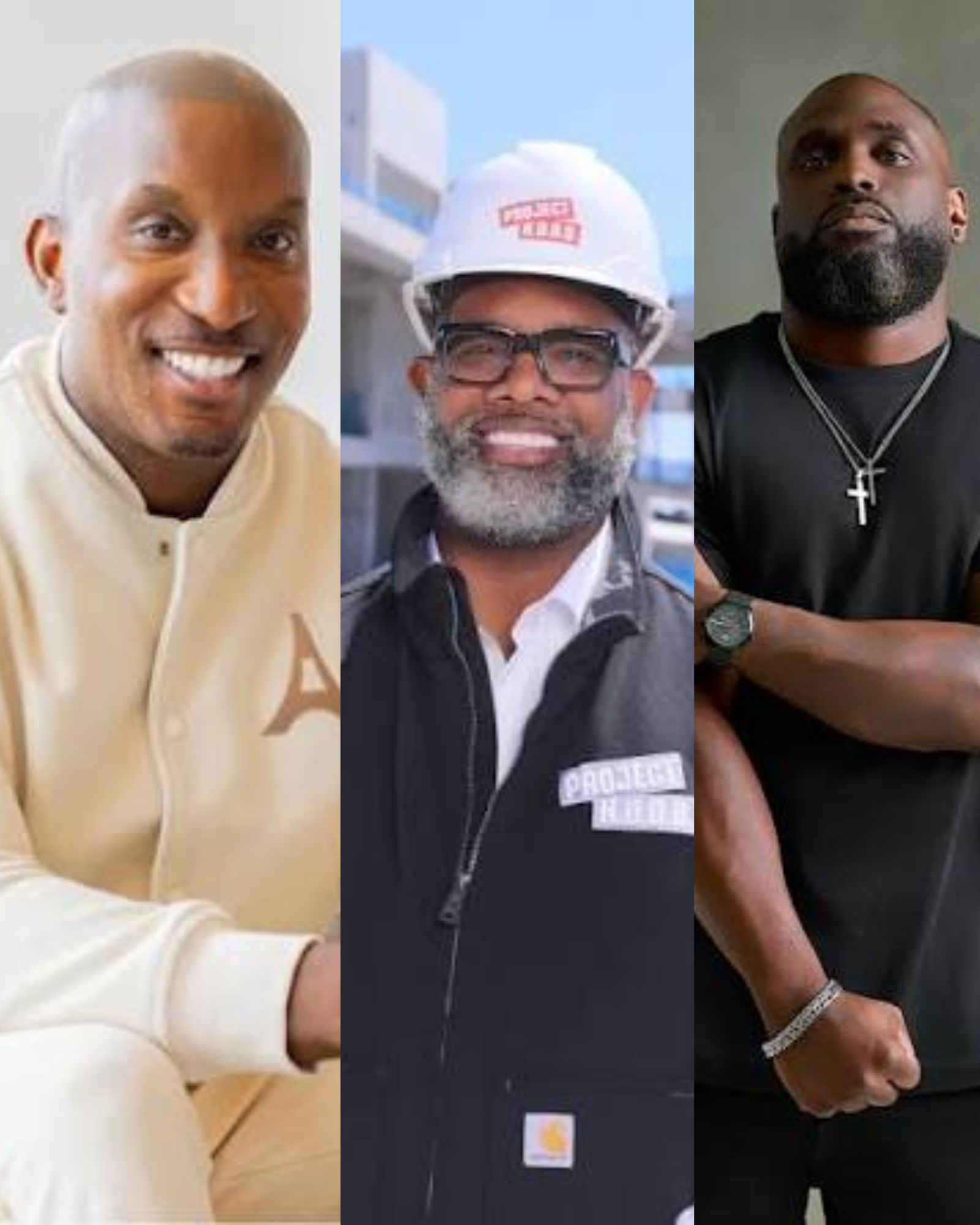
Three Church Leaders to Watch in 2026: Dharius Daniels, Corey Brooks and Philip Anthony Mitchell
Pastor Dharius Daniels, Pastor Corey Brooks and Philip Anthony Mitchell are leading in three very different ways, but each is forcing the church to think more seriously about transformation, community impact and discipleship.
Christianpreneur Staff · 14 min
Your Business Can Be Ministry Without Pretending It Is a Church.
Christian entrepreneurs do not have to choose between spiritual purpose and commercial success. They do, however, need the wisdom to integrate faith with strategy, profit, leadership, customer service, and measurable value.
Naomi Brooks · 14 min